
The short answer
Is ChatGPT bad for SEO? Not exactly - but it does change what "SEO" means. ChatGPT and other AI assistants are absorbing a growing share of the research queries that used to start on Google. That reduces some traditional clicks, but it also creates a new visibility channel: getting mentioned and cited inside AI answers. The brands that lose are the ones who ignore it. The brands that win treat AI as another surface to optimize for.
Where the fear comes from
Three real trends drive the "ChatGPT is killing SEO" narrative:
- Zero-click research. When ChatGPT answers a question directly, the user may never click a source. Some top-of-funnel informational traffic genuinely shifts away from websites.
- Google AI Overviews. Google's own AI answers now sit above the organic results on many queries, pushing the blue links down and reducing click-through on informational terms.
- Changing behaviour. Buyers increasingly ask an assistant "what's the best tool for X?" instead of running three Google searches and comparing tabs.
None of this is imaginary. But "SEO is dead" is the wrong conclusion. For a fuller comparison, see AI visibility vs traditional SEO.
What ChatGPT actually changes about SEO
ChatGPT doesn't remove the need to be found - it changes *where* being found happens.
- Informational, top-of-funnel content that only ever earned thin clicks is most exposed. If a page existed purely to capture a definition query, an AI answer may now satisfy that intent directly.
- Commercial and comparison queries are still enormously valuable - but the battleground moves. Instead of only ranking a comparison page, you also need that page to be the source ChatGPT cites when it recommends a tool.
- Brand and product research now happens partly inside AI answers. What ChatGPT says about your pricing, features, and reputation shapes buyers before they reach your site.
Crucially, ChatGPT is often *built on* the open web. ChatGPT Search and grounded models retrieve live pages, and the base model learned from web content. Strong SEO makes you more likely to be cited by ChatGPT, not less relevant.
Is ChatGPT bad for SEO? The honest answer
It's bad for one narrow thing - click-through on informational queries an AI can answer outright - and good for another: a brand-new, less-crowded channel where being the cited, recommended source drives high-intent consideration.
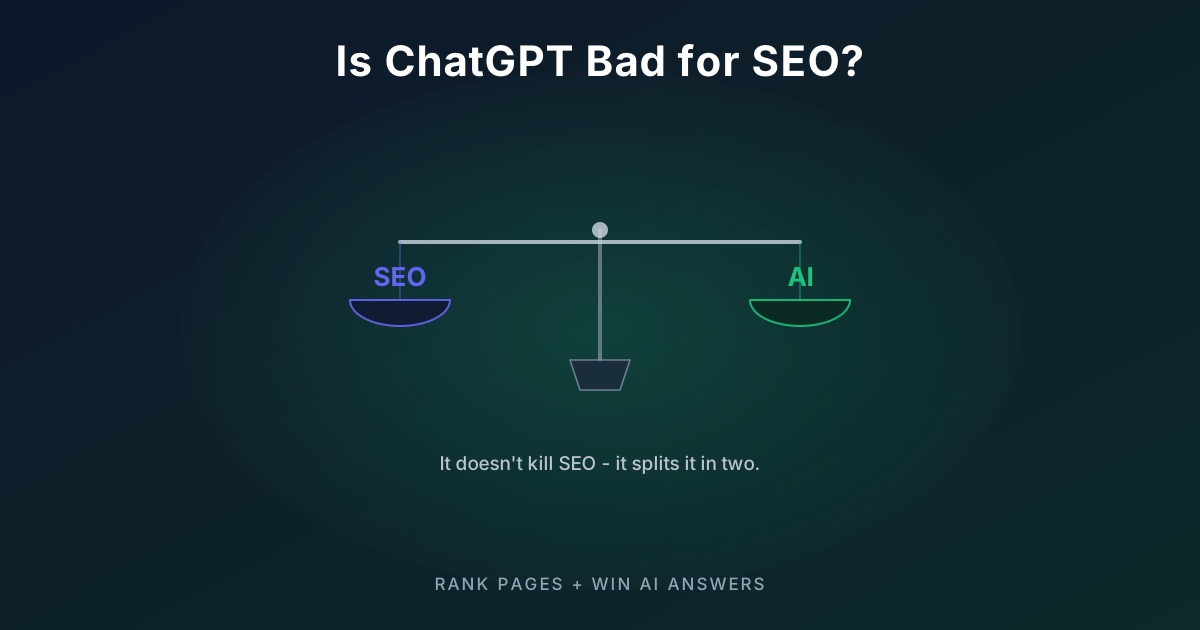
ChatGPT isn't killing SEO. It's splitting it into two jobs: ranking pages (classic SEO) and winning AI answers (answer engine optimization). You now need both.
The teams that suffer are those who measure only Google rankings and never check what AI assistants say about them. The teams that thrive extend their SEO practice to cover AI answers.
How to adapt: SEO + AEO together
- Keep doing real SEO. Technical health, quality content, and authority still feed the AI engines that ground on search.
- Add answer engine optimization. Lead pages with a direct, quotable answer, add FAQ blocks, keep facts consistent, and earn third-party mentions. See the AEO guide and the GEO optimization playbook.
- Shift some content strategy up-funnel to trust and depth. Content that demonstrates real expertise gets cited; thin definition pages don't.
- Own your commercial queries in AI. Make sure your comparison and "best of" pages are the ones ChatGPT pulls from.
How to measure it
You can't manage what you don't measure - and AI answers are non-deterministic, so a single check is noise. Track, across engines and over time:
- Your mention rate and share of voice in AI answers
- Your recommendation rank on commercial prompts
- The citations feeding the answers - which of your pages win, and which competitor pages beat you
- Sentiment - how you're described
Livesov measures all of this across ChatGPT, Perplexity, Claude, Gemini, and Grok. Start with ChatGPT brand tracking and the ChatGPT rank tracker, or run a free GEO audit to see where your pages stand today.
FAQ
Will ChatGPT replace Google search?
Not entirely, but it's taking a meaningful share of research queries. The practical response is to be visible in both - Google results and AI answers - rather than betting on one.
Does ChatGPT hurt my rankings?
ChatGPT doesn't change your Google rankings directly. What it changes is how much of the demand resolves inside an AI answer versus a click to your site. Strong SEO still helps you get cited by ChatGPT.
What should I do first?
Measure. Run a free GEO audit, check what ChatGPT already says about your brand, then optimize your highest-intent pages for both search rankings and AI citations. Start a free trial to track it - no card required.